

Skip to content

The didgeridoo and its place in traditional Aboriginal Australian communities (4/10)

This episode is in French. My podcast is only available in French for now.

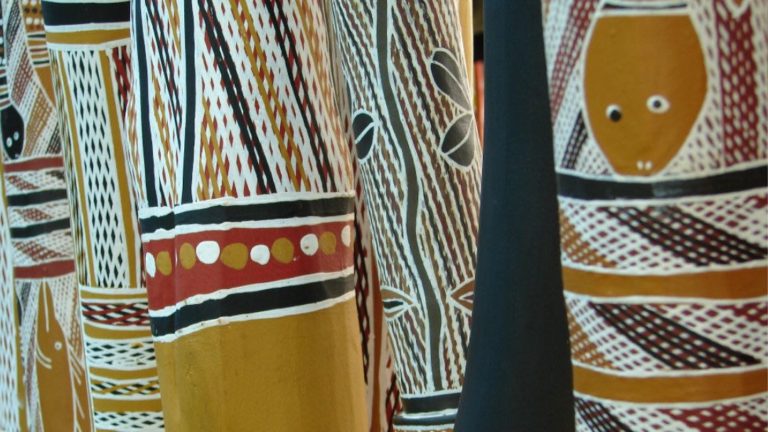
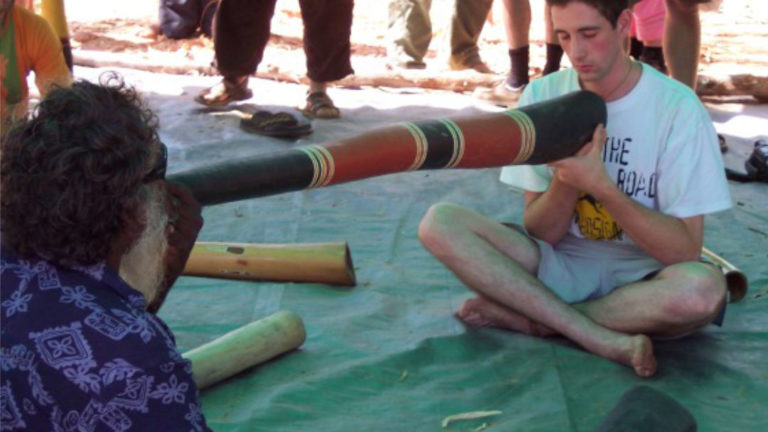
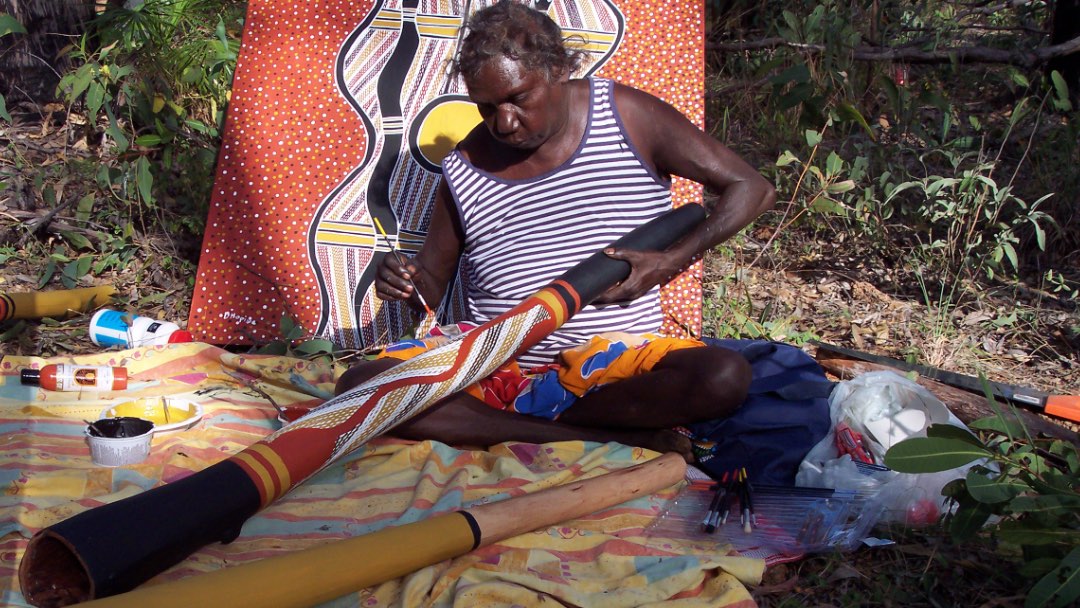
The word “didgeridoo” is a pure invention of the settlers! Hearing this strange sound, they transcribed it into an equally surprising onomatopoeia… And yet Aboriginal Australians had (and still have) their own words for this instrument. In this fourth episode (in French) on Aboriginal culture, we talk with Greg (from didgeridoo-passion) about the relationship Aboriginal people have with the didgeridoo today. Is the didgeridoo only for ceremonies? Are women allowed to play? What is traditional and what is folklore? I put all my questions to Greg and, you’ll see, many of his answers may well surprise you. Enjoy the episode!

Subscribe and stay up to date with the next episodes!

Apple Podcasts (iPhone)

map of the Top End in Australia

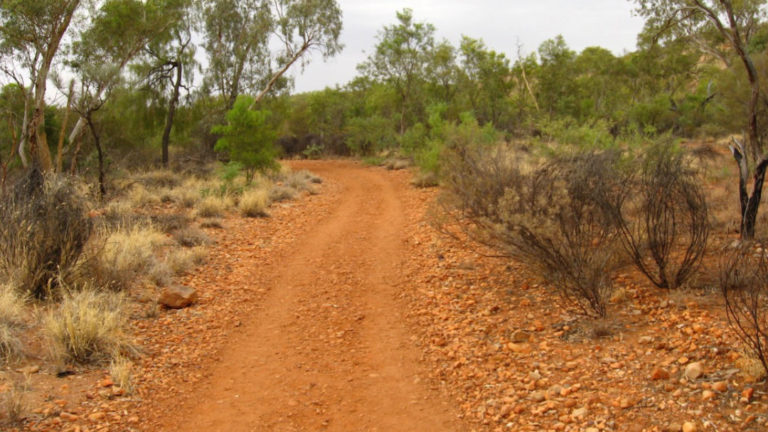
The map of the Top End drawn up in 1800, where the settlers heard the didgeridoo

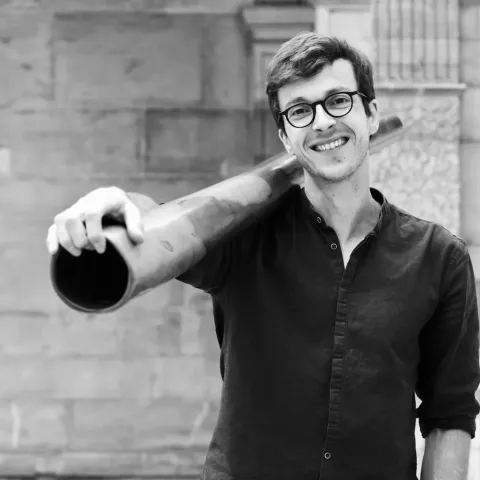
photo of Grégory Zwingelstein
About the author | Grégory Zwingelstein

Hi everyone! I’m Grégory Zwingelstein, the manager of Didgeridoo Passion. I’m happy to share my story and my experiences with the Aboriginal people of Arnhem Land, and to discover Didgeridoo Passion, click here!
Happy blowing, everyone!
Free course

Circular breathing in just a few days

Explanations that are clear, practical (!) and progressive. You’ll be surprised to see it’s simpler than it looks!

  • 7 videos in 4 steps

5/5225 Google reviews

9991members

Read next

4 responses to “The didgeridoo and its place in traditional Aboriginal Australian communities (4/10)”

  1. Othello Ravez Avatar
    Othello Ravez

    Great follow-up. Thanks to both of you.

    Automatically translated from French · See the original

    Super suite. Merci à tous les deux.

  2. Martial Avatar
    Martial

    I was wondering if Aboriginal people use the didge to enter a trance state like the use of certain instruments in shamanism or druidism? Which raises the question of the orientation and objectives of rituals or ceremonies?… I’m asking because what surprised me at the beginning of my learning was the bypassing of the critical factor and the spontaneous induction (slight perhaps but present) linked to the breathing pattern. I’m not sure if that’s clear!^^ anyway Thank you!

    Automatically translated from French · See the original

    Je me demandais si les aborigènes utilisent le didge pour partir en transe comme l’utilisation de certains instruments dans le chamanisme ou le druidisme? Ce qui suppose la question de l’orientation et des objectifs des rituels ou cérémonies?… Cette question car ce qui m’a surpris au début de mon apprentissage c’est le contournement du facteur critique et l’induction spontanée (légère certe mais présente) liée au pattern respiratoire. Je ne sais pas si c’est clair!^^ en tout cas Merci à vous !

    1. Hey Martial, as far as I know there’s no notion of trance in the traditional approach, but I’m noting your question to ask Greg! 🙂

      Automatically translated from French · See the original

      Salut Martial, à ma connaissance il n’y a pas de notions de transe dans l’approche traditionnelle, mais je note ta question pour la poser à Greg ! 🙂

  3. Martial Avatar
    Martial

    Thank you! Really interesting podcast series!

    Automatically translated from French · See the original

    Merci ! Série de podcasts vraiment intéressants !

Leave a Reply